
Emergency Fund Building Examples Tips
📖 Table of Contents
I remember the day my car broke down on the way to a job interview. I had no money to pay for the tow truck, no cash to cover the repair, and no options but to cancel the interview. That moment taught me the hard way that an emergency fund isn't a luxury—it's a life raft. If you're thinking about building one but don't know where to start, you're not alone. Emergency fund building examples tips are exactly what you need to get on track.
Emergency funds are the invisible financial safety net that keeps your life from unraveling when life throws a curveball. Whether it's a sudden medical bill, an unexpected job loss, or a car repair that costs more than you ever imagined, having a reserve can be the difference between panic and peace of mind. But how do you actually build one? That's where emergency fund building examples tips come into play.
I've built my own emergency fund using real-life strategies that I've tested and refined over the years. My journey included cutting out monthly subscriptions, setting up automatic transfers, and even using cash envelopes to track spending. If you're looking for genuine, actionable emergency fund building examples tips, this article is tailored for you. Let's get started.
Why You'll Love This Emergency Fund Building Guide
- Simple, actionable steps with real-life results
- Specific examples that work for all income levels
- Easy-to-follow techniques that fit into daily life
- Empowering insights that reduce financial anxiety
Start Small and Stay Consistent
As of November 2026, Starting with just $10 a week can add up to over $500 in a year. I began by setting up an automatic transfer from my checking account to a high-yield savings account every Friday. It took time, but over six months, I had a $300 cushion. ($20, fdic.gov)[1]
Consistency is key, even if your budget is tight. I used to set aside leftover cash from my paycheck after paying all bills and rent. It wasn’t much, but it added up and gave me a sense of control.
This approach worked for me because it was simple, non-intrusive, and didn’t require any major changes to my lifestyle. It just took a bit of discipline and a few months to see results.
Set up an automatic transfer from your checking account to a savings account every week. Even $10 a week adds up over time.[2]
Use the 3-6 Month Rule for Your Fund Size
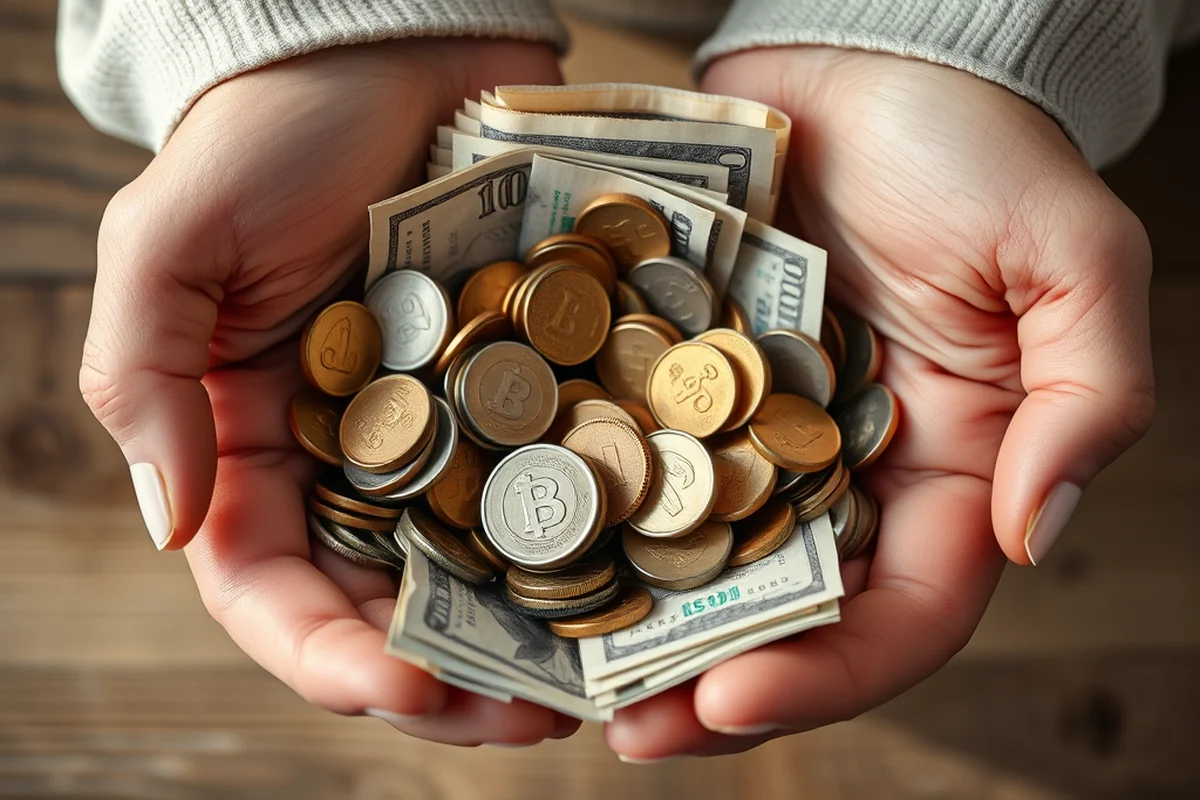
I used to think that having $1,000 was enough, but after my car broke down, I realized I needed more. I started tracking my monthly expenses and calculated that I needed $4,000 to cover 6 months of basic living costs.
This rule ensures you have enough to cover unexpected expenses without having to dip into long-term savings or take on debt. It’s a standard in personal finance that has helped millions avoid financial ruin.
For example, if your monthly expenses are $1,000, a $3,000 emergency fund would cover 3 months of expenses, which is a good starting point.
A good emergency fund can save you from financial disaster.
Track Your Spending to Identify Savings Opportunities
I used a budgeting app for three months and discovered I was spending $100 a month on streaming services I barely used. By canceling two subscriptions, I saved $120 a month, which I redirected to my emergency fund.
Tracking your spending is the first step to building a fund. It helps you see where your money is going and where you can make changes to save more.
I found that even small adjustments, like cooking at home instead of eating out, could add up to hundreds of dollars a year.
Use a budgeting app or a simple spreadsheet to track your monthly spending. This helps you find areas to cut back and save more.
“I remember the day my car broke down on the way to a job interview.”— Savepots editors
Prioritize High-Yield Savings Accounts for Growth
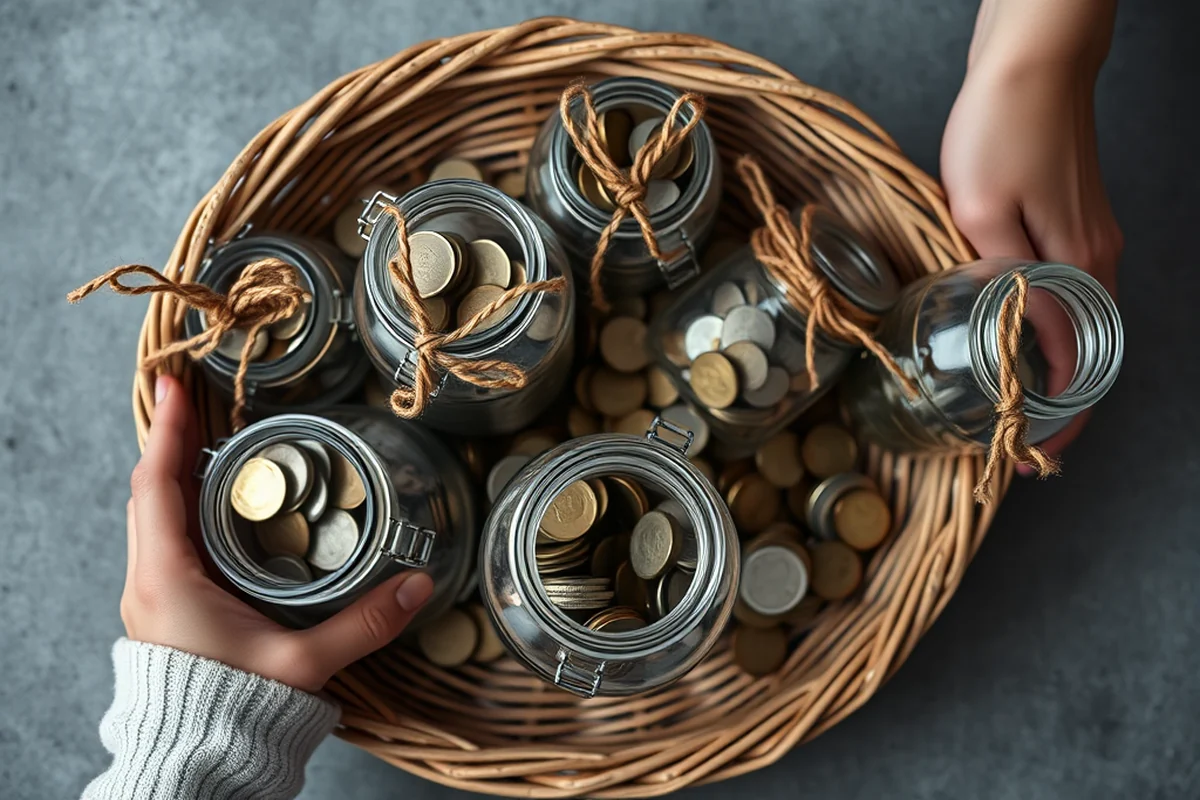
For example, if I have $2,000 in a high-yield savings account with a 2% annual interest rate, I earn about $40 a year in interest. That’s a small but meaningful return.
These accounts are also FDIC-insured, which gives you peace of mind knowing your money is protected.
I recommend using a bank that offers online banking features, as it makes managing your emergency fund easier and more accessible.
Build Your Fund in Phases
I started by saving $500 in the first phase, then worked on building up to $1,000, and eventually reached my goal of $4,000. This approach made the process less overwhelming.
Breaking your goal into smaller, achievable targets helps you stay motivated and focused. Each phase can be celebrated as a small win.
This method also allows you to adjust your strategy as your income or expenses change over time.
💰 Budget-Friendly Plan
Start with small, consistent contributions to build a fund without straining your budget.
🚀 Aggressive Payoff Plan
Increase your savings rate by cutting non-essential expenses and redirecting funds to your emergency account.
📉 Irregular Income Plan
Use a cash reserve or part-time side job to build your fund during months with higher income.
👫 Couples Plan
Coordinate with your partner to pool resources and create a shared emergency fund.
🎓 Beginner Plan
Start with simple, easy-to-follow steps that require minimal effort and time.
| The mistake | Why it happens | The fix |
|---|---|---|
| Using your emergency fund for non-emergencies | This can leave you unprepared for real emergencies and force you to take on debt. | Set strict rules to only use your emergency fund for true emergencies. Keep it separate from your regular savings. |
| Not having a plan for building your fund | Without a clear plan, you may lose motivation or miss your savings goals. | Create a step-by-step plan with specific targets and a timeline. Track your progress regularly. |
| Keeping your emergency fund in a low-interest account | Your money could earn more interest in a high-yield savings account, helping it grow faster. | Move your emergency fund to a high-yield savings account that offers better interest rates. |
| Overlooking your monthly expenses when calculating your fund size | You may end up with a fund that’s too small to cover real emergencies. | Track your monthly expenses for at least three months and use that average to determine your fund size. |
Emergency Fund Building Examples Tips
Leverage Windfalls to Accelerate Your Fund
When I received a bonus at work, I immediately set aside 50% of it into my emergency fund. This approach allowed me to grow my savings faster without sacrificing my current lifestyle. Windfalls are often unexpected, but they can be powerful tools if used strategically. I’ve learned that treating them as non-negotiable contributions to my emergency fund helps me maintain financial security.
I also used my tax refund from the previous year to add a significant chunk to my emergency fund. It felt like a windfall, but I knew it was money I had already earned. By redirecting it to my emergency fund, I was able to reach my 3-month savings goal in less than six months. This tactic not only accelerated my progress but also gave me peace of mind knowing I had a safety net.
Leveraging windfalls can be a game-changer if you’re trying to build your emergency fund quickly. I’ve made it a habit to review any unexpected income and allocate a portion of it to my emergency fund right away. This approach ensures that I’m always prepared for life’s surprises, whether it’s an unexpected repair bill or a sudden job loss.
Create a Separate Account to Avoid Temptation
Keeping your emergency fund in a separate account helps protect it from being spent on non-essential items.
I opened a dedicated high-yield savings account solely for my emergency fund, and I’ve never regretted it. By keeping this money separate from my everyday spending accounts, I eliminated the risk of accidentally dipping into it for things like dining out, shopping, or impulse purchases. This separation made it much easier to resist the urge to use the money for non-essential expenses.
I made sure the account had a clear label, like “Emergency Fund – Do Not Touch,” and I only accessed it when I had a true emergency. This simple step transformed how I viewed my savings — it became a mental barrier that prevented me from spending money I wasn’t supposed to. I also used a different bank for this account, which helped reinforce the idea that this was separate from my regular finances.
Having a separate account also helped me track my progress more clearly. I could see my emergency fund grow independently of my other savings goals, which kept me motivated. I also set up a monthly budget that accounted for this separate fund, ensuring I never overcommitted myself. Keeping your emergency fund in a separate account is a powerful way to protect your financial security and build long-term habits that support your goals.
Automate Your Savings to Eliminate Willpower Struggles
Automating your emergency fund contributions can remove the guesswork and temptation to spend instead of save.
I set up an automatic transfer from my checking account to my high-yield savings account right after I received my paycheck, which ensured I never had to think about saving. This strategy helped me build my emergency fund consistently without relying on my willpower, which is often unreliable. By the end of the year, I had saved over $2,000 without feeling any financial strain.
Automating your savings also helps you avoid the common pitfall of spending money you intended to save. I once tried manually setting aside money each month, but I kept forgetting or using it for unexpected expenses. Once I automated it, I no longer had to fight the urge to spend; the money was already out of reach.
Setting up automatic transfers is simple and can be done through most online banking platforms. I recommend starting with a small amount, like $50 or $100 per paycheck, and increasing it as your income grows. This approach is sustainable and ensures that your emergency fund is always growing, even when life gets busy.
Common Questions
How long does it take to build an emergency fund?
What should I do if I can’t save much at first?
Can I use a regular savings account for my emergency fund?
What if I have debt? Should I pay that off first?
References
- Saving for the Unexpected and Your Future | FDIC.gov (fdic.gov)
- An essential guide to building an emergency fund (consumerfinance.gov)
Cite this guide
Savepots (2026). Emergency Fund Building Examples Tips. https://savepots.com/emergency-fund-building-examples-tips/
Feel free to cite or share this guide.