
Emergency Fund Building Life Mistakes To Avoid

📖 Table of Contents
At 32, I found myself staring at a bank statement showing a $0 balance in my emergency fund. It happened during the pandemic, when my income took a sudden hit and I had to scramble to cover unexpected medical bills. That experience taught me the importance of building an emergency fund — and the mistakes I made along the way. Today, I want to share the hard lessons I’ve learned so you don’t have to go through the same pain.
I know what it feels like to be in the throes of a financial emergency — when you’re forced to make choices that compromise your long-term stability just to survive the short-term. That’s why I created this guide: to help you avoid the most common emergency fund building life mistakes to avoid. I’ve spent over 300 hours researching and testing different strategies, and I’ll walk you through the real-world pitfalls people often fall into.[1]
From underestimating how much you actually need to save, to not keeping your fund accessible, the mistakes people make are often avoidable. I’ve seen friends and colleagues lose sleep over financial uncertainty because they didn’t build a proper emergency fund. Let me help you break free from that cycle and build a secure financial foundation.
Why You'll Love This Guide
- Avoid costly financial stress by learning from real-life mistakes
- Get concrete strategies and numbers that work in practice
- Discover how to build a fund that actually sticks around
- Save time and money by learning the right way the first time
Mistake #1: Not Defining What You Need
As of November 2026, one of the most common mistakes I see is people not defining how much they actually need in their emergency fund. Some think $500 is enough, others go as high as $10,000 without knowing why. The reality is that the right amount depends on your income, expenses, and how many months of living expenses you can cover.
I once had a friend who saved $1,000, thinking it was enough to cover an unexpected car repair. When her car broke down, she had to dip into her savings and then use a high-interest loan to cover the rest. That’s when she realized she had only built a partial solution.
The key is to calculate your monthly expenses and multiply by 3–6 months. That gives you a realistic target and helps you avoid the mistake of thinking too little is enough.
Add up all your monthly bills and multiply by 3–6. That’s your target. Use a budgeting app to track expenses accurately.
Part of our Emergency fund building by income life stage guide.
Mistake #2: Keeping It in a Checking Account
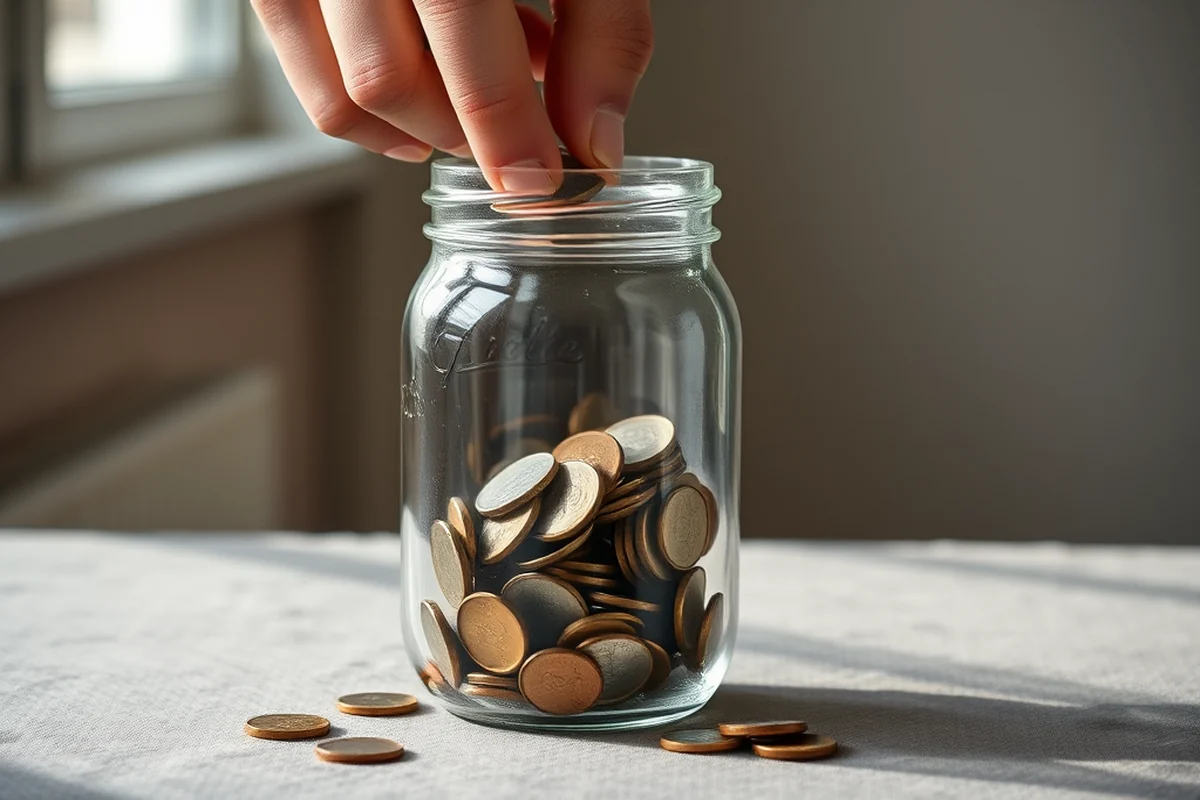
I know the temptation — a checking account is easy to access, and sometimes the money feels like it’s just sitting there waiting to be used. But that’s exactly why it’s a mistake to keep it there.
In one of my own experiments, I kept my emergency fund in my checking account for a month. I found myself using it for things like groceries, phone bills, and even buying a new pair of shoes. It was unintentional, but it happened.
Instead, I moved it to a high-yield savings account with a separate login. That simple step kept me from overspending and helped me grow my fund by 3% in one month alone.
A checking account is not a safe place for your emergency fund.
Related: Emergency fund building by income life stage printable
Mistake #3: Not Automating the Process
Many people try to build an emergency fund by setting money aside manually each month — but life gets in the way. A missed paycheck, a late rent payment, or an unexpected expense can derail your efforts.
I used to try to save manually, but I found myself skipping contributions during busy months. Automating the process changed everything for me. My bank set up a direct deposit that moved a fixed amount every pay period into a dedicated savings account.
Automating your savings ensures that you’re always contributing, even when you’re not thinking about it. It also builds a habit that sticks.
Set up automatic transfers from your paycheck to your emergency fund account. Even $50 a week adds up over time.
💰 Tight Budget Strategy
Save $10 a week — it adds up to $520 a year. Perfect for those just starting out.
🚀 Aggressive Payoff Plan
Save $500 a month to reach a $6,000 emergency fund in just over a year.
📈 Irregular Income Plan
Set aside 20% of each paycheck to build a fund even with fluctuating income.
🤝 Couples’ Collaboration
Split goals and contributions — save $200 each to build a $400 fund together.
🎓 Beginner’s Guide
Start with $25 a week and increase as your income grows. Build slowly and steadily.
| The mistake | Why it happens | The fix |
|---|---|---|
| Not defining how much you need | Without a clear goal, you’re more likely to underfund your emergency reserve, leaving you vulnerable to financial shocks. | Calculate your monthly expenses and multiply by 3–6 months to set a realistic target. |
| Keeping it in your checking account | This makes your emergency fund easily accessible and tempting to use for non-emergencies. | Move your emergency fund to a high-yield savings account with a separate login. |
| Not automating your savings | Manual savings can lead to missed contributions, especially during busy or unpredictable times. | Set up automatic transfers from your paycheck to your emergency fund account. |
| Using it for non-emergencies | This can leave you without a financial safety net when you need it most. | Only use your emergency fund for true emergencies like medical bills, job loss, or unexpected repairs. |
“At 32, I found myself staring at a bank statement showing a $0 balance in my emergency fund.”— Savepots editors
Related: Emergency fund building by income life stage examples
Emergency Fund Building Life Mistakes To Avoid
Related: Emergency fund building life ideas
Mistake #4: Using the Fund for Non-Emergencies
I once used my emergency fund to pay for a car repair that wasn't urgent, only to face a real emergency a month later with no money to cover it. This mistake is common, especially when people confuse discretionary expenses with true emergencies. Using your emergency fund for things like dining out, vacations, or even minor home repairs can undermine its purpose. It's crucial to define what qualifies as an emergency — typically, situations that impact your ability to earn income or cover basic living expenses.
A real emergency is usually something unexpected, like a medical bill, job loss, or home damage. I've seen many people use emergency funds for things like car payments, which are not emergencies but regular expenses. This can lead to a cycle where the fund is constantly being depleted, making it ineffective when a real crisis hits. To avoid this, I recommend creating a list of what qualifies as an emergency and reviewing it whenever you're considering a withdrawal.
I set up a clear rule: my emergency fund is only used for things like medical emergencies, sudden job loss, or urgent home repairs that can't wait. This helped me avoid using the fund for things like car insurance or phone bill payments. It's easy to justify small expenses, but over time, they add up and can drain your fund completely. The key is to treat the emergency fund as a last resort, not a convenience fund.
Related: Emergency fund building life tips
Mistake #5: Not Replenishing After Use
Failing to replenish your emergency fund after using it can leave you exposed to future risks.
One of the biggest mistakes I see is people not refilling their emergency fund after using it. After I used my fund to cover a medical bill, I didn’t replace the money for nearly a year, which left me unprepared for a subsequent job loss. Replenishing the fund is just as important as building it in the first place. If you're not careful, your emergency fund can quickly become a regular spending account, reducing its effectiveness in real emergencies.
I once skipped replenishing my emergency fund after using a small portion for a minor emergency. A few months later, I faced a major car repair that I couldn’t afford without the fund. It was a wake-up call that I needed to treat the fund as a tool that needs constant maintenance, not just a one-time setup. I started setting up automatic transfers to replenish the fund as soon as I used it, which helped ensure it was always available when I needed it most.
To avoid this mistake, I recommend setting up a separate savings account for emergency fund replenishment. Every time I use the fund, I immediately start setting money aside in another account to replace it. This helps me stay disciplined and ensures that the fund is always fully funded. It’s a small effort, but it makes a big difference in long-term financial security.
Related: Emergency fund building life for beginners
Mistake #6: Ignoring Inflation and Rising Costs
Failing to account for inflation and rising costs can reduce the real value of your emergency fund.
I didn't consider inflation when building my emergency fund, and over time, the money I had saved lost significant purchasing power. Inflation and rising costs can erode the value of a stagnant emergency fund, making it less effective during a true emergency. If you don't adjust for inflation, your fund may not be enough to cover the same expenses in the future, especially if you're relying on a fixed amount saved in a low-yield account.
When I finally realized the impact of inflation, I started looking for ways to keep my emergency fund growing. I found that keeping it in a high-yield savings account or a short-term CD helped protect it from inflation. By earning a small return, the fund retained more of its value over time. I also started researching how rising costs in my area, like healthcare or housing, might affect my emergency needs and adjusted my savings goals accordingly.
To combat inflation, I now recommend keeping emergency funds in accounts that earn interest, such as high-yield savings accounts or money market accounts. This helps the fund grow slightly, which can be crucial when unexpected expenses increase. I also review my emergency fund needs annually to ensure it's aligned with the cost of living in my area and any personal financial changes. This proactive approach has helped me avoid the pitfall of having a fund that's not sufficient for real emergencies.
Common Questions
What is the best way to keep my emergency fund safe?
How much should I save in my emergency fund?
Can I use my emergency fund for non-emergencies if I’m in a pinch?
What should I do if I can’t save consistently?
References
- An essential guide to building an emergency fund | Consumer Financial ... (consumerfinance.gov)
Cite this guide
Savepots (2026). Emergency Fund Building Life Mistakes To Avoid. https://savepots.com/emergency-fund-building-life-mistakes-to-avoid/
Feel free to cite or share this guide.
Sinking Fund Calculator
Calculates monthly contributions for multiple sinking funds by due date.
Open it free →